
How to Choose the Right Equipment for Your Swimming Pool
Step 1: Know Your Pool’s Basic Information
This is the foundation for all equipment sizing. Determine three key factors:
1.Pool Type – Is it a private residential pool (villa, backyard) or a commercial pool (gym, hotel, community)? Commercial pools require more robust equipment, faster turnover, and stronger disinfection.
2.Water Volume – Calculate length × width × average depth. This is essential for sizing the pump, filter, and sanitizer.
3.Usage & Needs – How often is the pool used? Do you need heating (for year‑round swimming)? Are there special requirements (e.g., kiddie pool, spa jets)?
Step 2: The “Big Four” Core Components
These are the most critical parts for water circulation and cleanliness.
1.Pool Pump
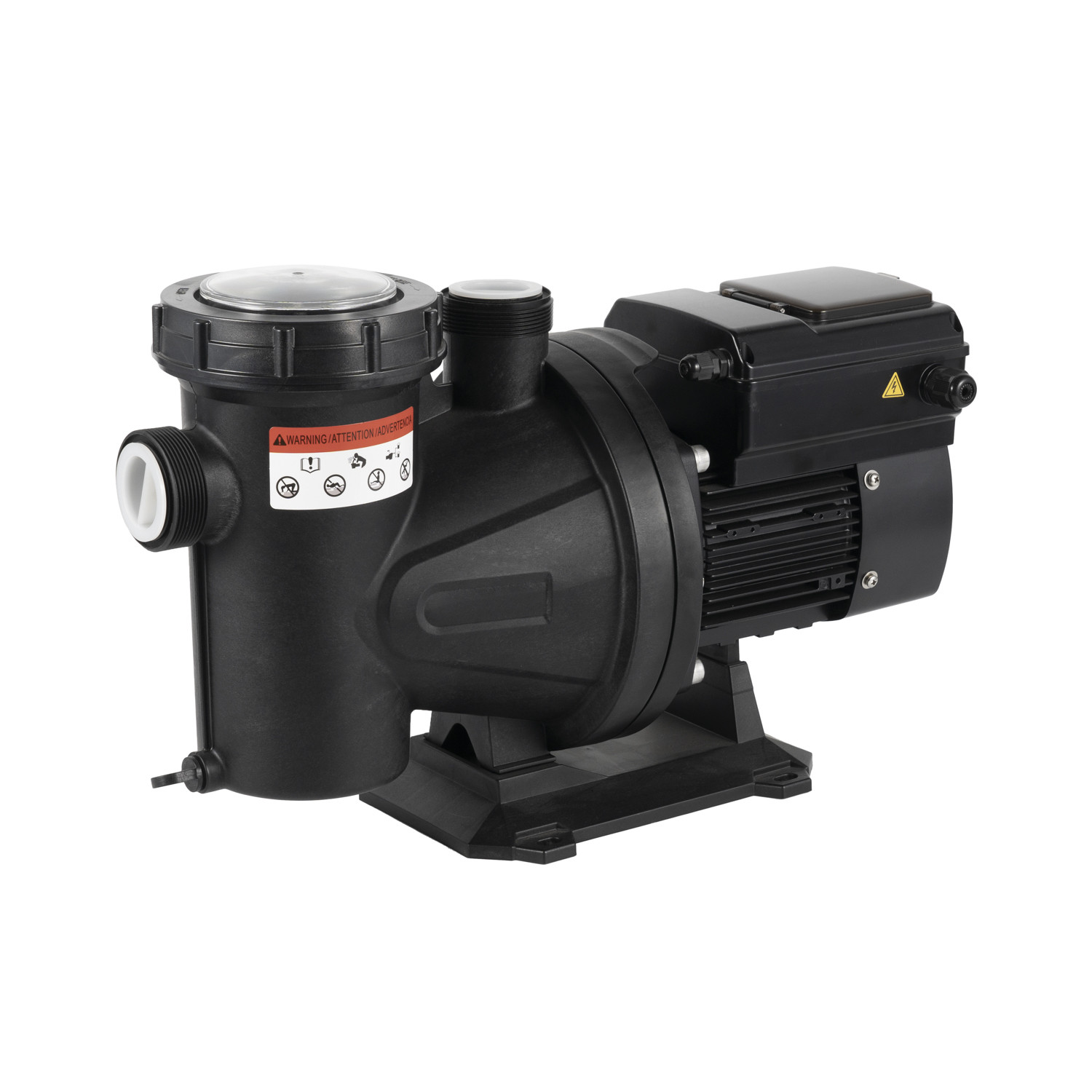
Flow rate: Aim to turn over the entire pool volume in 4–6 hours. Formula: *Pool volume (liters) ÷ 4 (or 6) hours = minimum required flow rate (L/h)*.
Variable‑speed vs. single‑speed: Variable‑speed pumps are highly recommended. They cost a bit more upfront but can run at lower speeds during off‑hours, cutting electricity bills by 50–70% and operating much more quietly. Single‑speed pumps run only at full speed, wasting energy and creating more noise.
Common mistake: Oversizing the pump. Too much flow stresses the filter, reduces filtration efficiency, and can stress pipes. Bigger is not better.
2. Filtration System
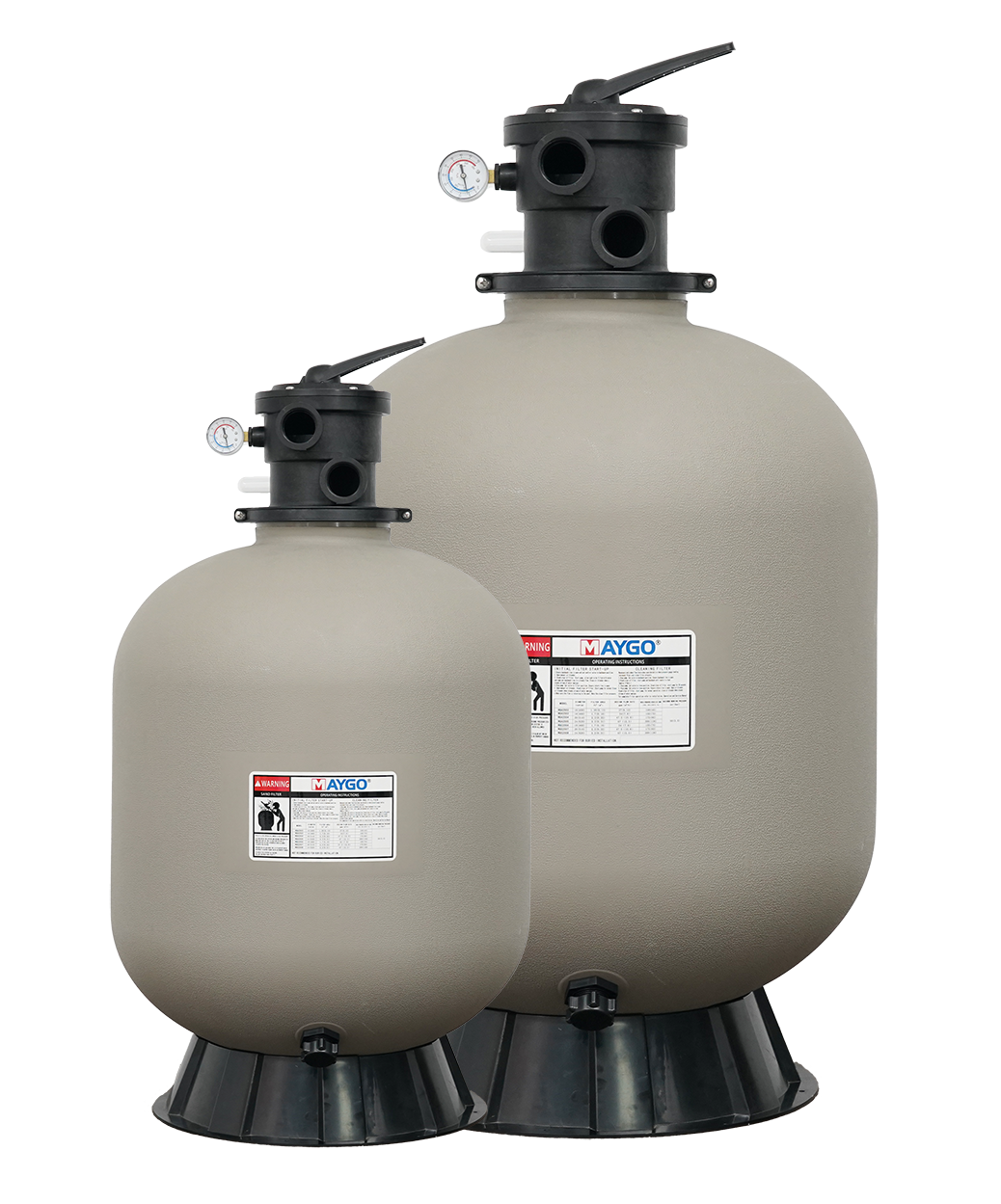
Type: For residential pools, sand filters are the most common – durable, easy to maintain (just backwash), with filtration down to about 10–20 microns. If you need ultra‑fine filtration (e.g., for a baby pool), consider cartridge filters (higher precision but cartridges need regular replacement).
Size: The filter’s surface area (or sand filter diameter) must match the pump’s flow rate. A good rule: *Pump flow rate (L/h) ÷ 50 (m/h) = minimum required filter area (m²)*. A filter that is too small will require backwashing too often.
3. Disinfection System – The Immune System
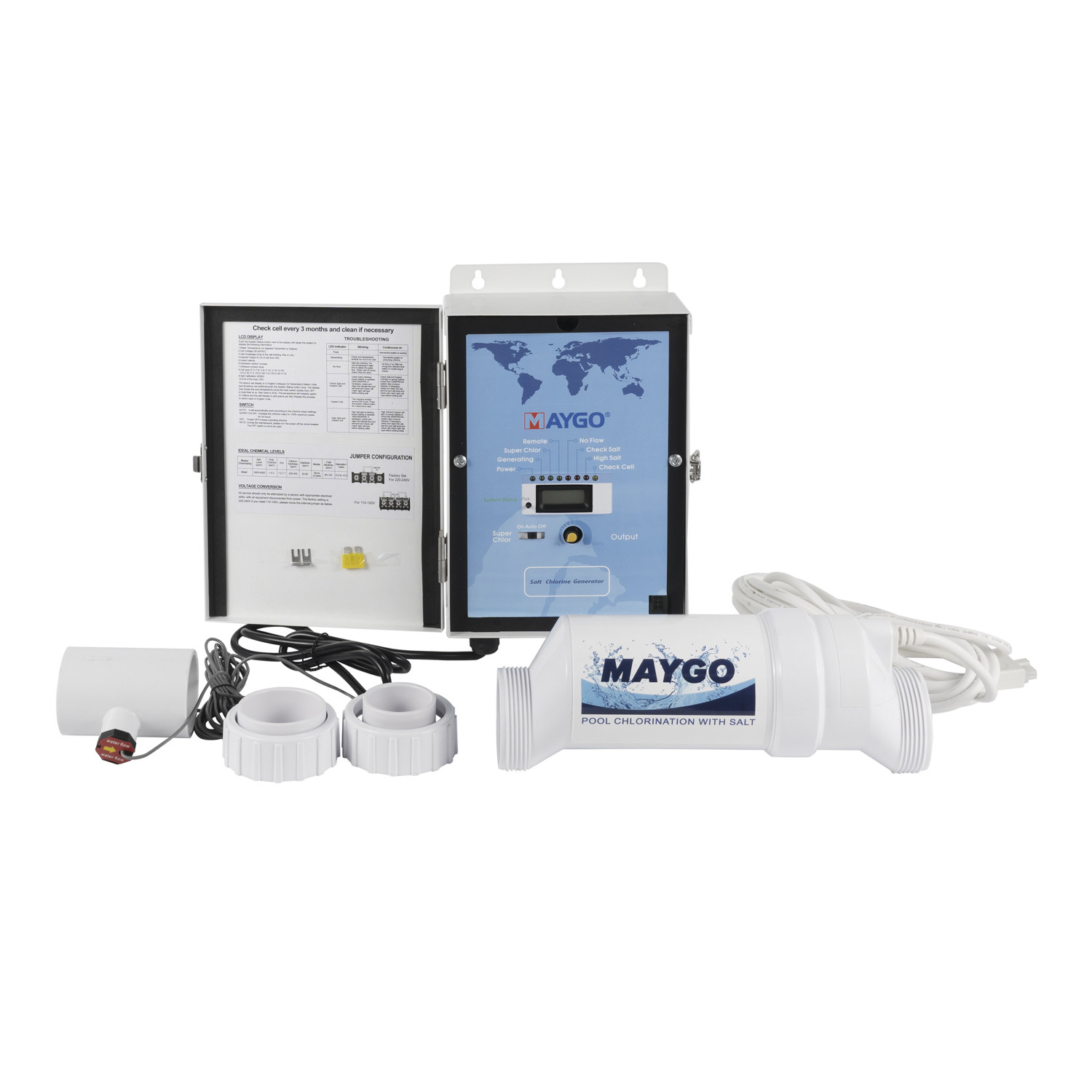
Salt chlorine generator – The top recommendation for residential pools. It uses electrolysis to produce chlorine from a small amount of salt added to the pool. Benefits: no need to buy/store chlorine; water feels soft and non‑irritating; automated. Requires maintaining a salt level of about 3000–5000 ppm (barely noticeable taste).
Ozone or UV – Typically used as a secondary sanitizer. They effectively kill microorganisms and reduce chlorine demand, but they provide no residual protection, so they must be paired with a small amount of chlorine (or a salt chlorine generator).
Manual chemical dosing – Lowest upfront cost but requires daily testing and chemical addition. Water quality can fluctuate easily if neglected.
4. Heating System (Optional – Depending on Needs)
Heat pump – The most energy‑efficient option for residential pools. It extracts heat from the ambient air. Efficiency drops when outdoor temperatures fall below 10°C (50°F).
Gas/electric heater – Heats water quickly, ideal for spas or infrequent use, but operating costs are higher.
Solar – Low running cost but weather‑dependent; often requires a backup heater.
Step 3: Auxiliary & Smart Equipment (Boosts Convenience)
1.Automatic Pool Cleaner (Robot)
Highly recommended. Manual vacuuming is time‑consuming. A good robotic cleaner climbs walls, scrubs the waterline, and traps fine debris. Look for features like remote control, ability to climb steps, and fine‑filter cartridges.
2.Smart Control System
Modern pools can be managed via smartphone apps. You can schedule pump runtimes, monitor temperature, adjust sanitizer output, and control lighting remotely. Ideal for those who travel often or want hassle‑free operation.
3.Main Drain & Return Inlets
Often overlooked but critical for safety. Use anti‑entrapment drains and ensure return inlets are positioned to avoid creating strong suction points. This is especially important for children’s safety.
Final Tips – Avoid Common Mistakes
Pipe sizing: Use pipes that match the pump’s inlet/outlet size. Undersized pipes cause cavitation, extra noise, and wasted energy.
Equipment pad location: Place equipment as close to the pool as possible and preferably below water level to help pump priming. Ensure good ventilation, drainage, and access for maintenance.
Don’t oversize: Always size equipment to meet the turnover requirement—oversized equipment reduces filtration effectiveness and wastes energy.
Installation & after‑sales support: Choose brands with local service and installation support. Pool equipment involves plumbing and electrical work; reliable local support is more valuable than a slightly lower price.